Spend a further £18.00 for free delivery
Free delivery on orders over £18. Shop Now.
Free delivery on orders over £18
Colombian Huila coffee typically tastes sweet and balanced, with red fruit, caramel and a clean citrus brightness over a smooth, medium to full body. Tasters often pick out currants or plums against a velvety chocolate background, sometimes with a light earthiness and a long finish. It’s an easy coffee to like, and complex enough to keep you interested.
Huila is a department in southern Colombia, in the Andes, where the Magdalena river runs between the Central and Eastern ranges (cordilleras). It’s the country’s largest coffee-producing department: figures from the Colombian Coffee Growers Federation, reported by StoneX, put it at just under a fifth of national production, from around 80,000 producers.
Most of those are smallholders farming a few hectares on steep slopes, which is why Huila coffee usually reaches you as lots blended from many small farms. Huila coffees are also regulars in Colombia’s Cup of Excellence competition, according to Barista Hustle.
Coffee in Huila grows at roughly 1,000 to 2,200 metres above sea level. At height, cooler nights slow the ripening of the coffee cherry, which gives the bean more time to develop sugars and acids. That’s a large part of where Huila’s sweetness and brightness come from. Our article on altitude and coffee explains the science in more detail.
Being close to the equator, Huila has two harvests a year: a main crop from roughly August to December and a smaller one, the mitaca, from about March to June. In practice, that means fresh Huila coffee arrives for much of the year.
All Huila coffee is Arabica, and three varieties dominate, including in our own lot:
Rust-resistant varieties have helped smallholders keep farming through disease outbreaks. Well grown and carefully processed, they produce clean, sweet coffee that sits happily alongside Caturra.
Most Huila coffee is washed. The cherry’s skin and fruit are removed, the beans ferment to loosen the remaining sticky layer, then they are washed and dried. Washed coffees tend to taste clean and bright, letting the origin’s acidity and sweetness come through clearly. (Natural process coffees, dried inside the whole fruit, are usually heavier and fruitier.)
Our Colombian Huila is eco-pulped, which uses less water than traditional washing, and dry fermented, where the beans ferment without being submerged in tanks.
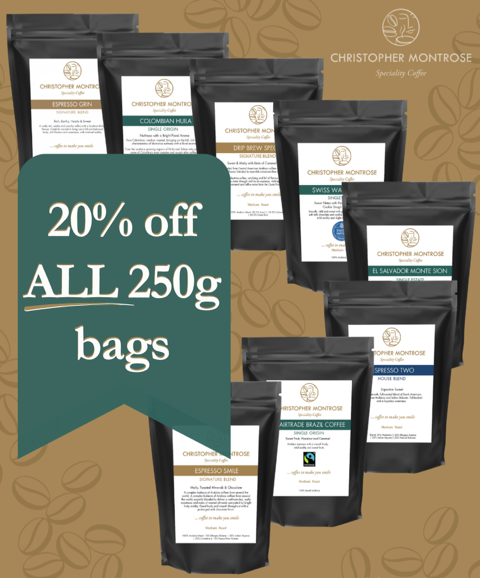
Ours is a single origin from smallholder lots in Huila and neighbouring Tolima, made up of Castillo, Colombia and Caturra. In the cup it’s full and rich with a deep, delicate character: generous body, but not heavy, and a lovely aftertaste. It’s a breakfast coffee that also suits a slice of cake mid-afternoon.
It’s one of fewer than ten coffees Chris and Monty chose from more than 5,500 tastings, and in our view it shows what a good Colombian should be: balanced, sweet and very easy to drink.
Tasting notes such as “plum” or “caramel” describe impressions, not added flavourings, and they’re easier to find if you give the coffee a little attention.
Our A to Z of coffee terms is handy if words like “body” and “finish” are new to you.
Huila works with almost any method. These are our starting points; adjust the grind first if it tastes sour (go finer) or bitter (go coarser).
| Method | Coffee | Water | Grind | Time | What you’ll taste |
|---|---|---|---|---|---|
| Pour over (V60) | 15g | 250g at 93 to 96°C | Medium-fine | 2.5 to 3.5 minutes | Brightest, clearest fruit |
| Cafetière | 30g | 500ml just off the boil | Coarse | 4 minutes | Fuller body, chocolate |
| AeroPress | 15g | 220g at about 90°C | Medium-fine | 2 minutes | Sweet and round |
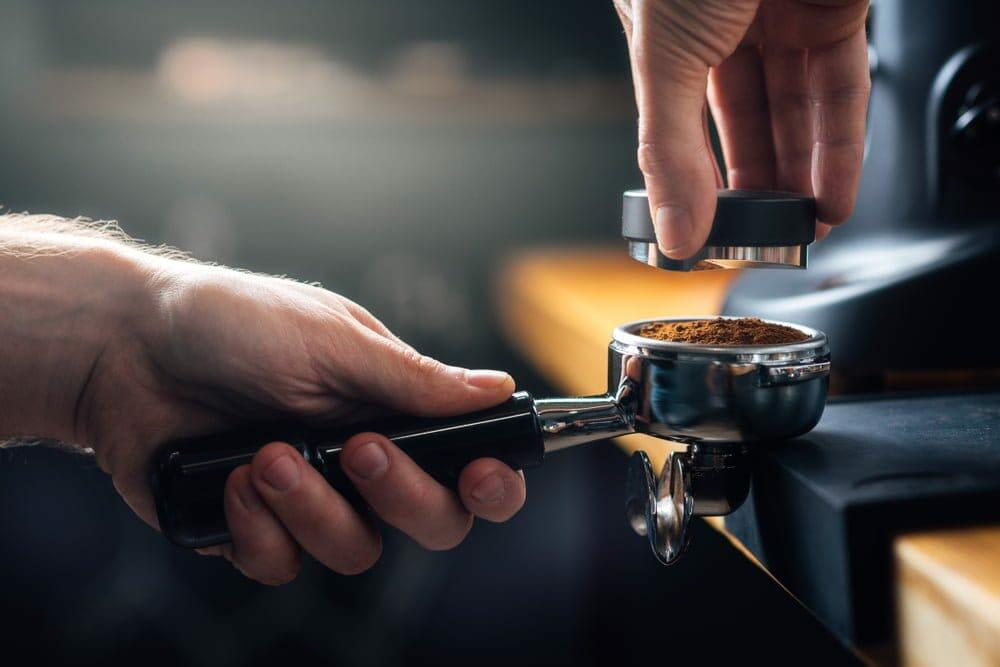
| Espresso | 18g | 36 to 40g out | Fine | 25 to 30 seconds | Caramel, good with milk |
| Cold brew | 100g | 800ml cold | Coarse | 12 to 18 hours | Smooth, cocoa-like |
Pour over is where Huila’s lighter fruit notes show best, and the cafetière brings out the chocolate. Use filtered water if yours is hard; minerals in very hard water flatten the brighter notes.
| Food | Why it works |
|---|---|
| Buttery croissants or toast and marmalade | Citrus brightness cuts through butter |
| Victoria sponge or carrot cake | Caramel notes match the sweetness |
| Dark chocolate (60 to 70%) | Echoes the cocoa background |
| Berries, plum tart or fruit crumble | Picks up the red fruit |
| Mild, nutty cheeses | Body stands up to richness |
Cheese and coffee may sound odd, but a mild, nutty cheese with a fuller cup works surprisingly well.
It has a full body but isn’t harsh or bitter. Strength in the cup comes mostly from how much coffee you use, not the origin.
It has a bright, citrusy acidity, which is a sign of quality rather than sourness. If you prefer less, brew it in a cafetière or with milk.
Yes. It makes a sweet, caramel-led espresso and a smooth flat white.
Brazilian naturals are usually milder, nuttier and heavier; washed Huila is brighter and fruitier. Tasting them side by side is the quickest way to learn the difference.
That’s exactly what our South American starter kit is for: a bag of Colombian Huila and a bag of Fairtrade Brazil. For more on the continent’s coffees, read getting started with South American coffee.